

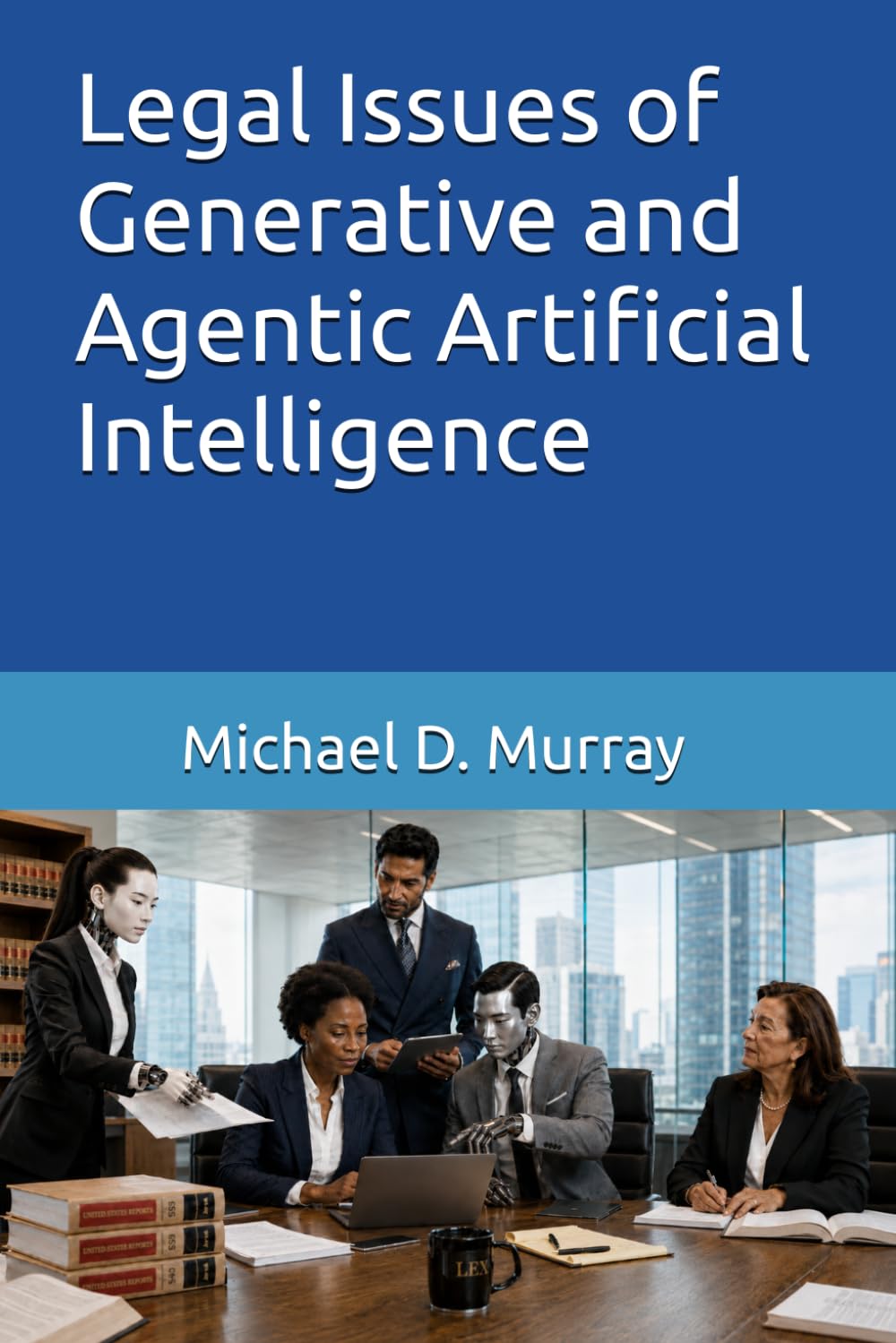
New Book from Michael Murray: Legal Issues of Gen & Agentic AI
Anyone writing seriously about AI and the law learns to watch certain bylines. Michael Murray’s is one of them, and his latest book just moved to the top of my reading list.
Legal Issues of Generative and Agentic Artificial Intelligence (July 2026) is hot off the presses. It tracks the fastest-moving questions in American law

AI Security: A Human In The Loop Is Essential. It’s Not Enough.
“Human in the loop” has quickly become one of the most reassuring phrases in the modern AI vocabulary. It suggests prudence, restraint, and—above all—control. If a human must approve the system’s actions, what could go wrong?
Human in the loop, often shortened to HITL, describes any arrangement in which a person reviews or authorizes an

Comparing AI Chatbots, AI Agents and Agentic AI
What are AI agents and how do they differ from AI apps most of us have been using for the past few years?
AI Chatbots like Claude, ChatGPT, and Gemini are built on large language models. They respond to prompts and provide answers. They give us information, but don’t take any actions.
AI Agents are

Run Your AI Apps Locally: Why You Should Consider Moving from the Cloud to a Platform You Own
Most lawyers encounter artificial intelligence through cloud services like Claude, Gemini or ChatGPT. They type a question, upload a document, and receive an answer produced on computers operated by someone else.
This arrangement is convenient. It also means that the lawyer is relying on an outside company to process the information, maintain appropriate security, follow
Agentic AI: The Prognosis Does Not Look Good
An AI agent can be attacked by an email you never open. No click. No download. No opened attachment. Just a “confused deputy,” an agent that has failed to distinguish a prompt from data, a problem known as prompt injection.
Three Prompt Injection Vulnerability Examples
Security researchers recently demonstrated prompte injection mechanisms with
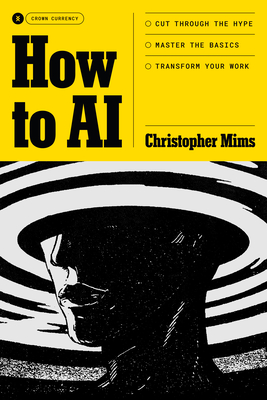
New Book “How To AI” Is A Keeper
The obvious trap for a book about AI is that the rapid pace of new developments makes most books age quickly. It’s kind of like writing a treatise on current K-Pop stars.
Christopher Mims’ new book How to AI: Cut Through the Hype. Master the Basics. Transform Your Work will have more lasting value.

Reducing the Risk of AI Prompt Injections: Selected Resources
Prompt Injection is generally acknowledged as the most serious vulnerability in the deployment of AI apps, and AI agents in particular. The Open Worldwide Application Security Project (OWASP), considered by many the world’s leading authority on web-facing system security risks, lists prompt injection as Number One on their list of the top ten

Prompt Injection: The Door Left Open
Agentic AI Conventional software keeps code (instructions) strictly separate from data (the files being processed). Large language models collapse the distinction. To an agent, both are just natural language. A firm’s internal policy and an incoming email are structurally similar. The model cannot reliably tell a document it is meant to read from an order
How to AI: An AI Book That Delivers
Christopher Mims’s new book, How to AI: Cut Through the Hype. Master the Basics. Transform Your Work stands out among the many AI books flooding the market.
Mims’s background and track record as a Wall Street Journal reporter covering technological advances give him the hype-resistance and, at least as important, the perspective to write about