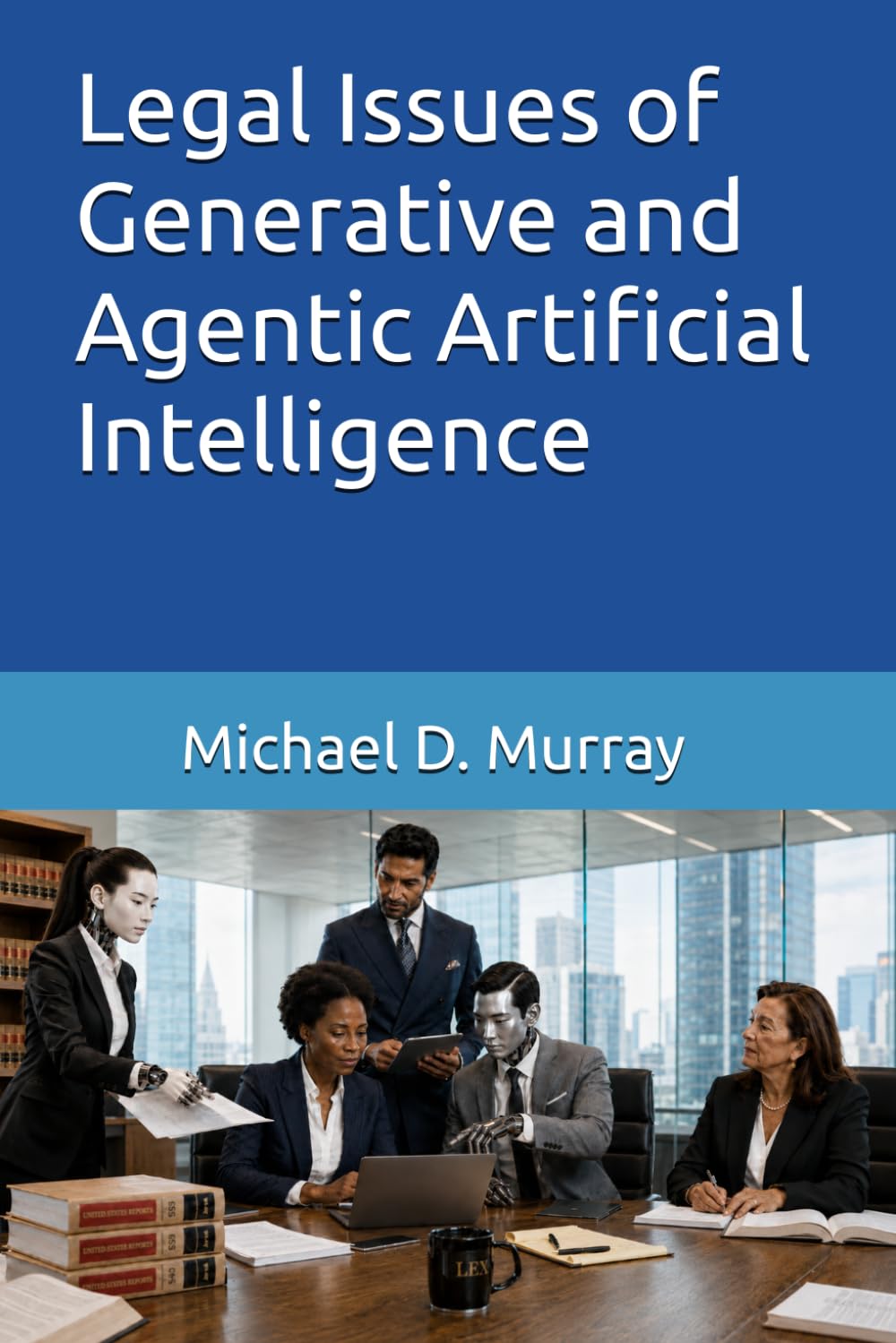
Anyone writing seriously about AI and the law learns to watch certain bylines. Michael Murray’s is one of them, and his latest book just moved to the top of my reading list.

Legal Issues of Generative and Agentic Artificial Intelligence (July 2026) is hot off the presses. It tracks the fastest-moving questions in American law
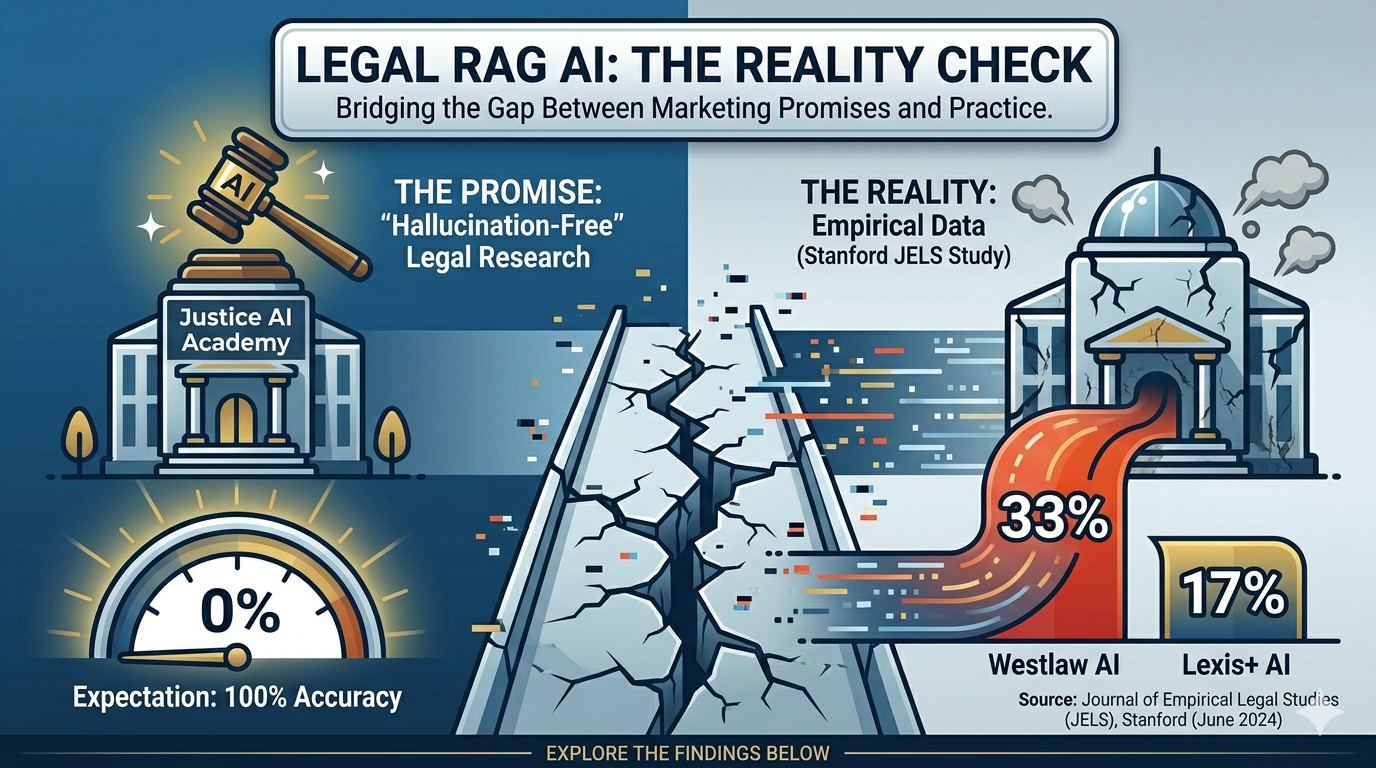
The marketing promise for premium legal RAG-based models was a hallucination-free experience. The empirical reality is different. Why?

It is a structural problem, created by the way Large Language Models are created. The process includes inputting large amounts of information. This typically includes all the publicly available information on the Internet.

The next step is

Tip of the day (and maybe the year:

Always consult more than one AI app when dealing with critical issues.

Monogamy is not the best strategy for AI. Multiple AI perspectives help with high-stakes questions, unsettled law, or anything involving tax regulations (which remain confusing even to the IRS). When two models agree, you gain

“A Short & Happy Guide to Advanced Legal Research” (West Academic Publishing, 2020) by Ann Walsh Long

Available from Amazon in paperback or Kindle versions, as well as directly from the publisher (paperback and ebook).

Ann Walsh Long has a message for lawyers:

Over the last five years, legal artificial intelligence tools such